
28 Aug Best Firebrick Oven Finishes for Luxury Homes
Best Oven Finishes
A true firebrick oven earns attention before the first pizza reaches the hearth. Its finish is the visible expression of the masonry beneath it: the detail that can make an oven feel integrated with a refined outdoor kitchen, a Mediterranean courtyard, or a modern poolside terrace. Choosing the best firebrick oven finishes means looking beyond surface color. The right finish must protect the oven shell, suit the architecture, and preserve the presence of a handcrafted cooking centerpiece.
For a luxury installation, finish selection is not an afterthought. It affects maintenance, weather performance, visual scale, and how confidently the oven holds its place beside stone counters, premium grills, cabinetry, and landscape features. A firebrick oven is built for exceptional heat. Its exterior finish should be built with equal intention.
What a Firebrick Oven Finish Must Do
The cooking chamber and dome rely on real firebrick and refractory materials to absorb, retain, and radiate heat. The exterior finish serves a different, but equally valuable, purpose. It protects the insulated oven structure from moisture and ultraviolet exposure while giving the finished oven its architectural identity.
A finish that looks striking in a showroom but is poorly suited to a humid, rainy, or coastal environment can create unnecessary upkeep. In Florida and other warm-weather regions, the question is not simply whether a surface is attractive. It is whether it can handle sun, sudden rain, airborne salt near the coast, and the natural expansion and contraction that occur around a working oven.
The best choice also depends on placement. An oven beneath a covered lanai has more finish options than one standing fully exposed beside a pool. A commercial courtyard may call for a highly durable, easily maintained exterior, while a private estate may prioritize custom tilework or a hand-troweled artisan surface.
Best Firebrick Oven Finishes for Lasting Appeal
Hand-Troweled Stucco for Timeless Character
Stucco remains one of the most distinguished finishes for a traditional wood-fired oven. Applied with the proper exterior-grade system over a well-insulated shell, it creates a substantial, monolithic appearance that complements Mediterranean, Spanish Revival, Tuscan, and coastal architecture.
Its strength is versatility. A smooth finish can read clean and contemporary, especially in crisp white, warm ivory, soft gray, or charcoal. A lightly textured finish offers more Old World character and can visually connect an oven to plaster walls, masonry columns, or a rendered outdoor fireplace.
Stucco does require thoughtful detailing. Cracks are less likely when the oven is properly designed, insulated, and finished with compatible materials, but no exterior surface is entirely maintenance-free. Hairline imperfections can occur over time, particularly where climate shifts and structural movement are present. For many luxury homeowners, that natural evolution is part of the material’s appeal. For those who want a more uniform surface, tile or stone may be the better direction.
Ceramic Tile for Custom Color and Artistry
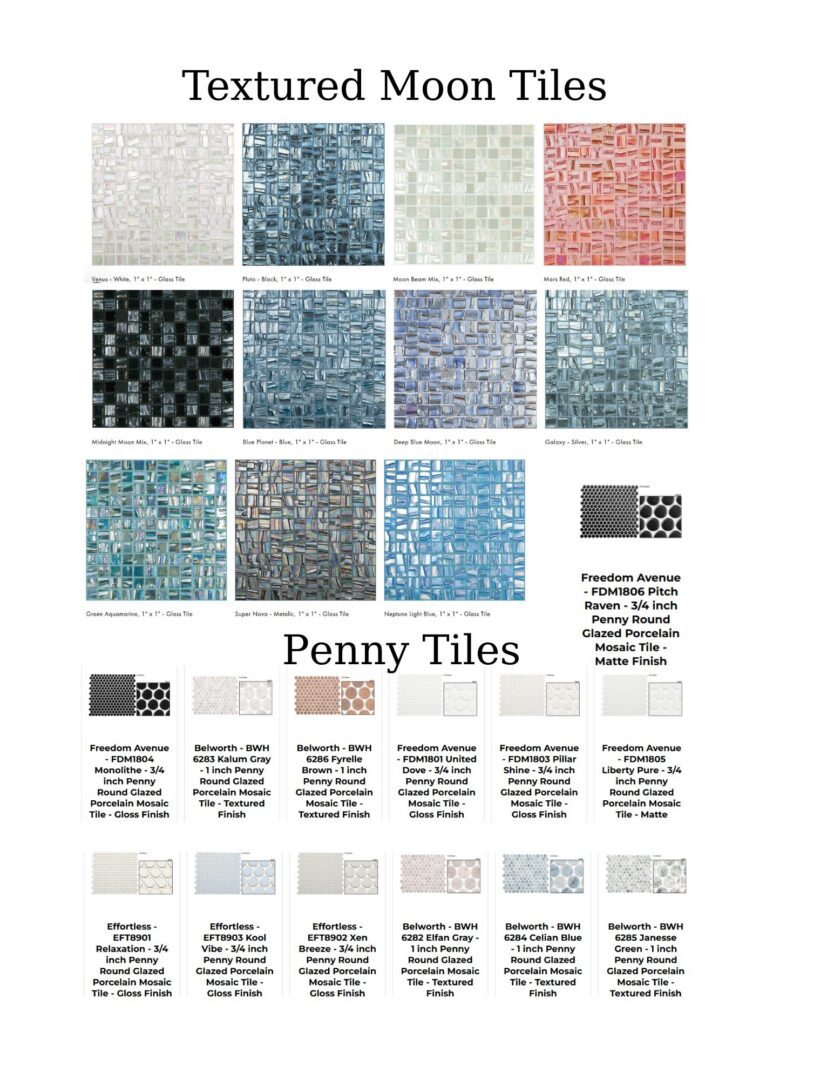
Tile is a natural choice when the oven should become a visual signature within the outdoor kitchen. It offers exceptional freedom in color, pattern, gloss level, and border detailing. Rich cobalt, sea-glass green, matte black, hand-painted motifs, and understated neutral palettes can each create an entirely different mood.
The most successful tiled ovens do not treat tile as decoration alone. The colors should relate to the wider space: countertop veining, pool finishes, cabinetry, roof tile, or surrounding landscape. A restrained field tile with a distinctive arch border can often feel more luxurious than an overly busy pattern covering every inch of the dome.
Quality matters enormously here. Exterior-rated tile, appropriate setting materials, and carefully finished grout joints are essential for longevity. Glossy tile delivers drama and reflects firelight beautifully at night, but it can show water spots and pollen more readily than a matte surface. Textured or handmade-look tile adds depth, although deep grout lines may require more detailed cleaning.
For homeowners who value personal expression, tile is among the best firebrick oven finishes because it can be tailored to the property rather than selected from a limited palette. Custom colors and engraved faceplate details turn a serious cooking appliance into a permanent architectural feature.
Natural Stone for Architectural Weight
Natural stone cladding gives a firebrick oven a sense of permanence that few finishes can match. Whether the design uses ledgestone, travertine, limestone, or a carefully selected veneer, stone can connect the oven to retaining walls, outdoor fireplaces, façade elements, and surrounding hardscape.
This finish is especially effective for larger oven installations. A generous stone base and arch can give the structure visual grounding, making it feel intentionally built into the outdoor environment rather than placed on a patio. It also pairs exceptionally well with darker metal doors, substantial countertops, and classic outdoor kitchen millwork.
There are trade-offs. Stone has visual weight, and a heavily clad dome can appear oversized in a compact entertaining area. It also demands a design team that understands proportion. Often, the strongest approach is selective stonework: a stone base and landing with a smooth stucco dome, or a stone surround framing a tiled oven face. This combination preserves the character of the material without making the oven feel visually crowded.
Porous stones may need sealing, especially around areas exposed to food splatter, rain, or pool water. The maintenance is manageable, but it should be part of the ownership plan from the beginning.
Brick and Brick Veneer for Traditional Authenticity
A brick-facing finish has an honest, enduring appeal. It visually echoes the firebrick within the oven while delivering the familiar warmth of traditional masonry. Deep red, buff, cream, and reclaimed-style brick tones can complement estate homes, restaurant patios, and outdoor spaces designed around a classic hearth experience.
Brick is particularly compelling when the oven is part of a larger masonry composition. Matching the oven facade to a brick pizza counter, fireplace, bar wall, or garden wall creates continuity. The result feels established, as if the oven has always belonged to the property.
A full-brick appearance is not automatically the right answer for every home. Clean-lined contemporary architecture may benefit from a slimmer brick treatment, a pale limewashed look, or a brick arch paired with smooth render. Mortar color also changes the effect dramatically. A high-contrast joint creates a more graphic, modern face, while a closely matched mortar gives the structure a quieter, more traditional expression.
Porcelain Slab or Contemporary Cladding for Modern Homes
For modern luxury properties, large-format porcelain or other architectural cladding can create a remarkably tailored look. These materials can deliver the visual language of concrete, marble, limestone, metal, or dark stone with consistent color and a more controlled surface.
This is not a finish to apply casually. Large-format materials require precise fabrication, proper edge details, and an oven design that accommodates the cladding system. When executed well, however, the result is crisp, sophisticated, and aligned with contemporary outdoor kitchens featuring linear cabinetry, waterfall counters, and restrained material palettes.
The principal advantage is visual discipline. Unlike natural stone, porcelain cladding has little variation from piece to piece. That consistency is ideal when the oven is meant to complement a highly composed architectural setting. The trade-off is that it may not offer the tactile irregularity some buyers expect from a handcrafted firebrick oven. It depends on whether the property calls for organic warmth or deliberate modern precision.
Match the Finish to the Oven’s Setting
An oven finish should be selected alongside the entire outdoor kitchen, not after the counters and appliances are already in place. Look at the oven’s sightlines from the home, dining area, pool, and main entertaining zone. Consider how it appears in full sun and after dark, when the mouth of the oven becomes a warm focal point.
A small courtyard often benefits from a lighter stucco or tile finish that keeps the structure visually open. A broad backyard kitchen can support stone, brick, or a more elaborate tiled dome. If the oven will be installed indoors, the surrounding finishes must also coordinate with ventilation requirements, wall protection, and the more controlled palette of the interior.
Fuel choice can influence the presentation as well. A hybrid wood-and-gas oven retains the ritual and visual romance of live fire while offering added convenience for certain cooking occasions. Its exterior should still communicate the same masonry integrity and permanence as a dedicated wood-fired oven.
Details That Separate a Fine Finish From a Basic One
The final impression often comes from details rather than the main surface alone. The shape and depth of the oven arch, the scale of the landing, the transition from dome to base, and the finish around the chimney all deserve careful attention. These are the places where a custom oven reveals its craftsmanship.
A well-proportioned faceplate can frame the oven mouth like fine millwork frames a doorway. An engraved detail, thoughtfully chosen tile border, or stone arch can add distinction without competing with the fire itself. The goal is not excess. It is a finish with enough material depth and precision to feel credible beside the rest of a premium home.
Forno Nardona approaches these choices as part of the oven’s complete design, pairing authentic firebrick construction with finish options suited to the architecture and the way each client intends to entertain.
Before committing to a finish, view material samples outdoors at different times of day and place them beside countertop, cabinet, and paver selections. The most rewarding oven finish is the one that still feels right after years of wood smoke, weekend gatherings, and the unmistakable glow of a fire at the center of the table.
Sorry, the comment form is closed at this time.