



20 Apr Wood Fired Pizza vs Oven: What Tastes Better?
A pizza can look beautiful on the plate and still miss the point the moment you bite into it. The crust tells the truth. If you are comparing wood fired pizza vs oven results, what you are really judging is heat, texture, flavor, and the kind of experience you want to create around the food.
That distinction matters more than most buyers expect. A standard kitchen oven can make a respectable pizza. A true wood-fired oven can produce the blistered crust, live-fire aroma, and fast, intense bake that define authentic Neapolitan-style pizza. For homeowners building a serious outdoor living space or operators investing in presentation and performance, that difference is not small. It is the entire reason these ovens exist.
Wood fired pizza vs oven: the real difference
The simplest answer is that both methods cook pizza, but they do not cook it the same way. A conventional oven relies on enclosed, even heat generated by gas or electricity. It is designed for versatility, not specialization. It can roast vegetables, bake cookies, and finish a casserole. Pizza is one task among many.
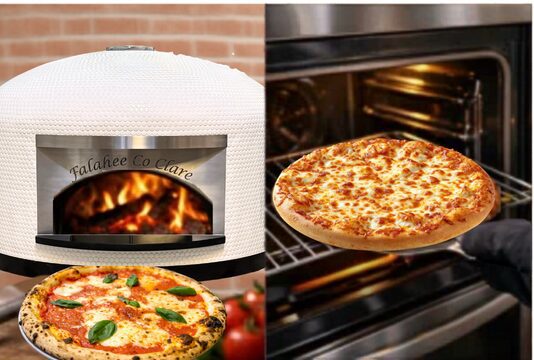
A wood-fired pizza oven is built around a different purpose. Its dome, firebrick floor, and live flame create a high-heat environment that surrounds the pizza with radiant heat from above and conductive heat from below. That combination is what gives the crust its leopard spotting, airy edge, and crisp exterior with a tender interior.
In practical terms, a home oven usually tops out around 500 to 550 degrees. A well-built wood-fired oven can operate far beyond that, often in the 700 to 900 degree range depending on the style of pizza and firing method. That higher ceiling changes everything from bake time to moisture retention.
Why wood-fired pizza tastes different
People often assume the difference is only smoke. Smoke does play a role, but it is not the whole story. The more important factor is how quickly the pizza bakes.
In a wood-fired oven, the pie can finish in as little as 90 seconds to 3 minutes. That fast bake keeps the dough light and lively while still developing char, structure, and color. Toppings cook just enough to stay vivid. Fresh mozzarella melts without breaking down into an oily blanket. Tomato sauce stays bright. The crust puffs before it dries out.
In a conventional oven, the longer bake changes the balance. You may get good browning, especially with a steel or stone, but the dough has more time to dry, the cheese can overcook, and delicate toppings lose freshness. The result can still be enjoyable, but it rarely has the same contrast between crisp char and soft interior.
Wood also adds a subtle aromatic quality that gas and electric ovens simply do not replicate. In a true masonry oven, that flavor is integrated into the cooking environment, not sprayed on afterward or simulated with a trick ingredient. For serious pizza lovers, that authenticity is the difference between pizza that is good and pizza that is memorable.
Crust performance is where the comparison is won
If your priority is crust, wood fired pizza vs oven is not a close contest.
A standard oven can produce a firmer, drier crust with decent color, particularly if you preheat a stone or steel thoroughly. For New York-style home pizza, pan pizza, or a weeknight bake, that may be enough. Many homeowners are perfectly happy with that result because it is convenient and familiar.
But a real wood-fired oven creates a broader range of texture in the same pizza. The bottom can be crisp without becoming cracker-like. The rim can rise dramatically, then char in spots while staying moist inside. That structure is not only a matter of temperature. It comes from retained heat in dense firebrick and the curved chamber that rolls heat back over the top of the pie.
This is why authentic brick ovens are built the way they are. The materials are not decorative. Real masonry stores and releases heat with authority. Thin metal alternatives can get hot quickly, but they do not offer the same thermal depth or stability during a full cooking session.
The trade-off is convenience
Wood-fired cooking is superior for pizza performance, but convenience is where the standard oven makes its case.
A conventional kitchen oven starts with the push of a button. It asks very little from the user. Temperature control is simple, cleanup is predictable, and you can make one pizza without planning an event around it. For busy households, that ease has value.
A wood-fired oven is more intentional. You light a fire, build heat, learn how your oven draws, and manage flame as you cook. That process is part of the appeal for many buyers, especially those who appreciate craft and hospitality, but it is still a process. If you want speed with less involvement, a hybrid wood-and-gas configuration can offer a compelling middle ground.
For high-end residential buyers, the question is often less about whether wood-fired cooking is easier and more about whether the result justifies the ritual. In most luxury outdoor spaces, the answer is yes. The oven becomes more than a cooking tool. It becomes the focal point of entertaining.
Wood fired pizza vs oven for home entertaining
A kitchen oven stays hidden behind a cabinet line. A handcrafted outdoor pizza oven changes the character of a property.
That matters for homeowners who invest in outdoor living with the same seriousness they bring to interior design. A masonry oven anchors the space visually. It draws guests in. It creates atmosphere before the first pizza is launched. The fire itself becomes part of the evening.
This is one reason luxury buyers rarely view a premium pizza oven as a single-purpose appliance. It is architectural. It has presence. It signals permanence and taste in a way a countertop unit or basic range never will.
There is also a practical entertaining advantage. Once a masonry oven is fully heated, it can produce multiple pizzas back-to-back with remarkable consistency. Instead of waiting 12 to 15 minutes per pie in a household oven, hosts can turn out pizzas rapidly while guests watch. The cooking becomes part of the event rather than a task hidden in the kitchen.
For commercial use, performance and presentation both matter
For restaurant owners, caterers, hospitality groups, and food truck operators, the wood fired pizza vs oven decision affects both output and brand image.
A standard oven may be easier to install and operate, but it rarely delivers the same customer perception. A true wood-fired or hybrid masonry oven communicates authenticity immediately. Guests associate live fire with craftsmanship, premium ingredients, and a more elevated dining experience.
There is also the matter of heat retention and service flow. A well-built brick oven holds temperature through repeated use, which supports consistency during rush periods. That is critical in commercial settings where an oven cannot fade under pressure.
The right solution depends on menu style, volume, installation constraints, and labor. Still, for businesses selling pizza as a signature product, cutting corners on the oven often means compromising the product itself.
Is a regular oven ever enough?
Yes, depending on what you want.
If pizza is an occasional meal and convenience is the top priority, a regular oven may be completely sufficient. You can improve results with better dough, a baking steel, longer preheating, and thoughtful topping choices. For many households, that is a sensible setup.
But if your goal is authentic live-fire pizza, restaurant-level crust, and a cooking centerpiece worthy of a luxury home or premium hospitality setting, a standard oven is not really the same category. It can imitate some of the outcome. It cannot reproduce the full performance or presence of a real masonry build.
That is where quality matters. Not every pizza oven marketed as wood-fired is built to deliver authentic brick-oven results. Construction, insulation, firebrick mass, and design all determine whether the oven performs beautifully for years or simply looks the part. For discerning buyers, that distinction deserves as much attention as the fuel source itself.
A good pizza oven cooks dinner. A great one changes how you entertain, how you serve, and how the food is remembered. If you are choosing between wood fired pizza vs oven cooking, start with the kind of experience you want to create – then choose the heat source built to deliver it.
Sorry, the comment form is closed at this time.