

26 Aug Why Brick Ovens Belong in a Luxury Outdoor Kitchen
A proper pizza oven changes the rhythm of an outdoor gathering. Guests gather around the fire, watch a blistered crust emerge in minutes, and stay for the warmth long after dinner. Brick ovens make that experience possible because they are built to store, manage, and radiate heat in a way thin metal appliances simply cannot replicate.
For a discerning homeowner or hospitality operator, the decision is about more than pizza. It is about creating a permanent culinary centerpiece: one that performs at serious temperatures, complements the architecture, and gives every meal a sense of occasion.
What Makes Brick Ovens Different
The distinction begins beneath the finish. An authentic masonry oven is built around a dome and cooking floor made from real firebrick, then insulated to preserve the heat generated by the fire. Firebrick is engineered to withstand repeated exposure to extreme temperatures without the premature cracking, warping, or heat loss associated with lighter-duty materials.
That thermal mass matters. As the dome heats, it absorbs energy from the fire and releases it steadily back onto the food. The floor cooks from below, radiant heat browns the top of the pizza, and the live flame adds the quick, high-heat finish that produces a crisp exterior with a tender, airy interior. This is the foundation of Napoli-inspired pizza, but it is just as valuable for roasted seafood, charred vegetables, cast-iron dishes, breads, and slow-cooked meats.
A metal oven can be an appropriate choice when portability, limited space, or occasional use is the priority. It generally heats quickly and can be easy to move. But a handcrafted brick oven is designed for a different standard of ownership: sustained cooking, richer heat retention, architectural permanence, and a more authentic live-fire experience.
Brick Ovens Are Built for More Than Pizza
A well-designed oven should not go quiet after one round of pizzas. Once the chamber has reached temperature, its retained heat supports a full progression of cooking. Start with Neapolitan-style pizza at high heat, then use the moderated heat that follows for roasting and baking. Hours later, the oven can still be warm enough for dishes that benefit from gentle, enveloping heat.
This versatility is particularly valuable in an outdoor kitchen. Instead of adding another single-purpose appliance, the oven becomes the focal point of the cooking area and the social center of the patio. Its presence encourages a style of entertaining that feels generous and unhurried, whether the menu is a casual family pizza night or a larger celebration.
For commercial settings, that same retained heat supports consistency during service. A restaurant, resort, caterer, or food truck needs more than visual appeal. It needs an oven that can recover efficiently between orders and present food with the unmistakable character of real fire cooking. The visible flame and masonry façade also create an immediate connection between the kitchen and the guest experience.
Heat Retention Is the Real Advantage
High temperature gets attention, but heat retention is what separates an exceptional oven from a merely hot one. An oven that loses heat quickly forces the operator to constantly compensate with fuel and timing. An insulated firebrick dome creates a more stable cooking environment, helping the oven maintain usable heat through multiple courses.
The benefit is control. A properly fired masonry oven can deliver fast pizza production while still allowing the cook to manage hot and cooler areas across the hearth. It rewards practice, but it does not require professional training to enjoy. With quality wood, sound firing habits, and a little attention to dough and flame placement, homeowners can produce results that feel far beyond ordinary backyard cooking.
The Finish Should Match the Home
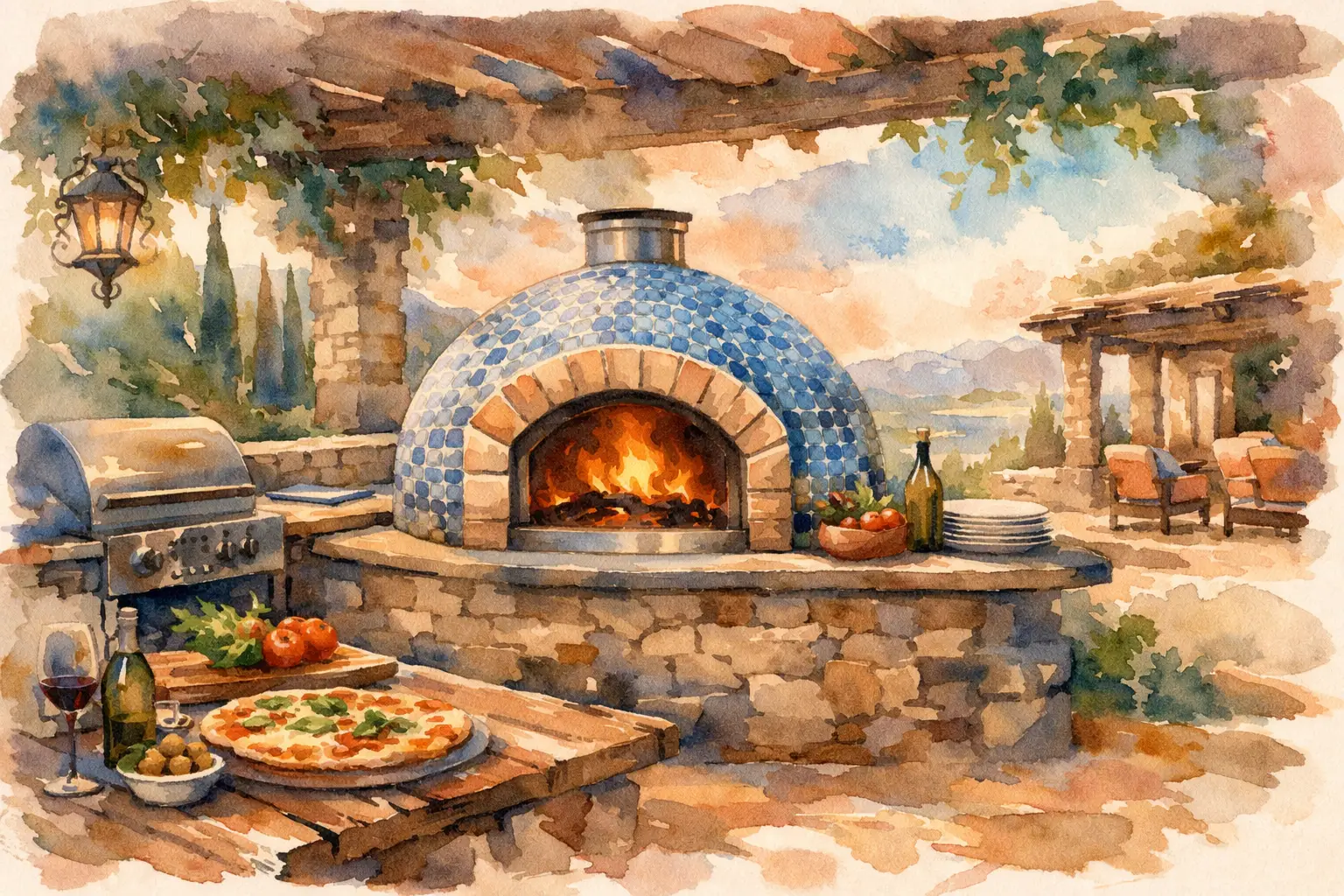
An oven of this caliber is also an architectural element. It should look intentional beside the pool, under a covered lanai, or within a complete outdoor kitchen. Generic finishes can make even a capable oven feel disconnected from the property. Custom tile color, stone or stucco detailing, a tailored faceplate, and thoughtful proportions allow the oven to belong to the space.
This is where built-to-order craftsmanship has real value. A luxury outdoor kitchen should not be assembled as a collection of unrelated products. The oven, counters, grill, storage, lighting, and seating should work together visually and functionally. Forno Nardona approaches the oven as the anchor of that larger environment, with handcrafted construction and finishing options that complement the character of the home.
Choosing the Right Brick Oven Size
The right size depends on how you plan to cook, not simply how many people you expect to entertain. A smaller oven can be ideal for a household that wants fast weeknight pizzas and intimate gatherings. A larger cooking floor makes more sense for frequent entertaining, multi-course meals, or commercial output, where several pizzas or roasting pans may need to cook at once.
There is a trade-off. Larger ovens offer greater capacity and thermal mass, but they require more space, more fuel, and a longer warm-up period. A compact model gets cooking sooner and may fit more naturally into a tighter patio layout. The best choice is one that suits the way the kitchen will actually be used, rather than the largest footprint available.
Consider access as carefully as capacity. The oven should be positioned so the cook can move safely between prep space, wood storage, and the oven mouth without crossing through the main guest path. A landing area near the opening is useful for peels and pans, while nearby counters simplify dough preparation and serving.
Wood-Fired or Hybrid Fuel?
Wood-fired cooking offers the most traditional experience. The aroma, active flame, and hands-on process are part of the appeal, especially for owners who value authenticity. Hardwood fuel also gives the cook direct influence over the fire’s intensity and placement.
A hybrid wood-and-gas configuration can be the better fit when convenience matters alongside tradition. Gas provides a dependable way to preheat the chamber or maintain a baseline temperature, while wood can still be used when a live-fire finish and smoky character are desired. For busy homeowners, hospitality venues, and operators managing service demands, that flexibility can be highly practical.
The choice is not about which fuel is universally better. It is about the experience you want to create. If tending a fire is central to the ritual, wood is difficult to replace. If the oven must be ready on a tighter schedule or used by multiple staff members, hybrid capability deserves serious consideration.
Installation Deserves Early Planning
A true masonry oven is substantial, and that weight is part of its performance. It needs an appropriately engineered base or foundation, a level installation surface, and planning for clearance from combustible materials. Indoor installations also require proper venting and coordination with the relevant building requirements.
For outdoor installations, think beyond the oven itself. Weather exposure, prevailing wind, covered structures, lighting, storage, and the path from indoor kitchen to outdoor prep area all affect daily use. In Florida and other coastal environments, material selection and thoughtful placement are especially important for long-term appearance and durability.
Professional planning protects the investment and produces a better finished space. It also prevents a common mistake: selecting an oven first, then trying to force it into a kitchen layout that was never designed around it. The strongest projects start with the oven’s footprint, ventilation needs, and visual role in mind.
Why Craftsmanship Matters Over Time
A brick oven should feel permanent because it is. The quality of its dome, insulation, hearth, finish work, and installation will determine how it performs years after the first firing. Decorative brick on the exterior is not the same as a cooking chamber built from real firebrick. Likewise, a beautiful façade cannot compensate for inadequate insulation or poorly managed heat flow.
For buyers who value longevity, the right questions are specific: What is the cooking chamber made from? How is the dome insulated? Is the oven built for repeated high-heat use? Can its finish be tailored to the home? These details reveal whether an oven is intended as a lasting culinary asset or a short-lived novelty.
Choose an oven that gives your property a reason to gather. When craftsmanship, placement, and cooking style align, the fire becomes more than a feature of the backyard – it becomes the invitation everyone remembers.
No Comments