

17 Jun Brick Oven Versus Steel Oven: Which Wins?
The difference between a memorable pizza and a merely good one often starts long before the dough hits the floor. In the debate over brick oven versus steel oven, the real question is not just which one gets hot. It is which one delivers the kind of cooking experience, heat behavior, visual presence, and long-term value you actually want in your home or business.
For serious outdoor living enthusiasts and hospitality buyers, this is not a small distinction. An oven is part cooking tool, part architectural feature, and part statement about quality. If you are investing in a centerpiece for a luxury patio, a restaurant concept, or a custom outdoor kitchen, the material behind the fire matters.
Brick oven versus steel oven: the core difference
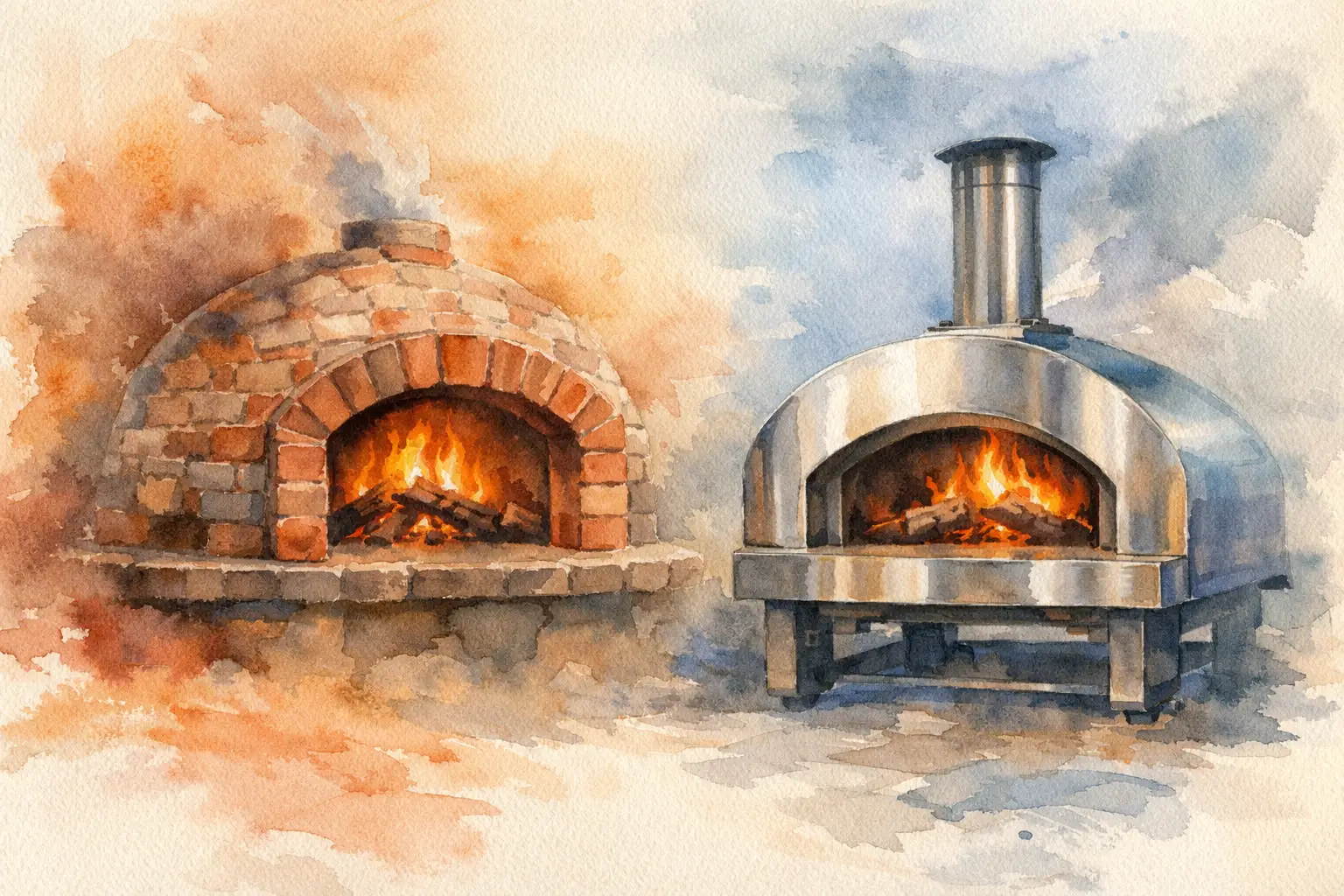
A steel oven is typically built around a metal chamber that heats quickly and offers convenience, portability, and a smaller footprint. A brick oven is built with real firebrick and refractory materials designed to absorb, store, and radiate heat over time. Both can cook pizza. That is where the similarities begin to fade.
Steel responds fast. Brick holds steady. Steel is often chosen for speed, lighter weight, and a more appliance-like installation. Brick is chosen for traditional performance, deeper heat retention, and a more permanent, high-end presence.
If your goal is occasional pizza nights with a compact setup, steel can make sense. If your goal is authentic wood-fired cooking, architectural beauty, and an oven that feels like it belongs with the home rather than beside it, brick stands in a different class.
Heat retention changes everything
The most important performance advantage of a brick oven is not just peak temperature. It is retained heat.
Real brick absorbs thermal energy and releases it gradually. That gives you a more stable cooking environment, especially when baking multiple pizzas back to back, roasting meats, finishing vegetables, or baking bread after the fire settles. You are not chasing temperature as aggressively because the oven itself becomes a heat reservoir.
Steel heats up faster, which is appealing if you want a shorter startup time. But it also tends to lose heat faster once the door opens or the cooking rhythm increases. For a home user making one or two pizzas, that may be acceptable. For a host entertaining a full patio of guests or a restaurant pushing volume, heat stability matters more than quick preheat alone.
This is one reason traditional Neapolitan and masonry-style cooking has endured. The oven floor, dome, and mass work together. You are cooking with stored energy, not just surface heat.
Why pizza texture often favors brick
A great pizza needs balanced heat from below, above, and around the pie. Brick excels here because the floor and dome radiate heat in a more even, natural way. The crust can blister and rise while the toppings cook in step rather than lagging behind.
Steel ovens can produce excellent pizza, especially when designed well, but they often create a more aggressive, less forgiving cooking environment. In many metal ovens, managing hot spots becomes part of the routine. That can be fine for experienced operators, but it is not the same as the deep, steady heat profile of a masonry chamber.
The result is subtle but unmistakable. Brick tends to reward craftsmanship in the dough. It creates the texture people associate with true wood-fired pizza – leopard spotting, airy cornicione, and a finish that feels both crisp and tender.
Flavor is not only about the fuel
People often assume flavor comes only from wood versus gas. Fuel matters, but oven construction matters too.
A brick oven creates a cooking environment that supports longer thermal balance and more nuanced fire management. The flame rolls naturally across the dome, and the retained heat continues working even as the live fire shifts. That helps produce the char, caramelization, and dry heat effect that define classic pizza and roasted foods.
Steel ovens can deliver wood-fired flavor if they burn wood, and some hybrid models are practical options for certain spaces. Still, the chamber behaves differently. Because steel is less massive and more reactive, the cooking curve feels more immediate and less layered.
For buyers chasing authenticity, this distinction is worth understanding. A brick oven does not just look traditional. It cooks in a way that is rooted in traditional masonry performance.
Appearance matters more than most buyers admit
In a luxury outdoor kitchen, the oven is rarely hidden. It is seen from the pool, the dining area, the patio, and often from inside the home. That changes the buying equation.
A steel oven usually reads as an appliance. It may be sleek, modern, and efficient, but it remains visibly manufactured. A brick oven reads as architecture. It has permanence, scale, and character. It can anchor the entire design of an outdoor kitchen and elevate the space from functional to exceptional.
For homeowners in markets like Tampa, Miami, and coastal Florida, where outdoor entertaining is part of the lifestyle, this difference is substantial. A handcrafted masonry oven with custom finishes, tile color, and integrated design does more than cook. It becomes part of the property’s identity.
For commercial spaces, the visual impact is just as valuable. Guests notice a real brick oven. It reinforces quality before the first plate reaches the table.
Installation and structural planning
This is one area where steel often appears easier, and in some cases, it is.
Steel ovens are lighter, easier to move, and generally simpler to place in existing spaces. That can be useful for smaller patios, temporary setups, food trucks, or buyers who want minimal construction work. If portability is high on your list, brick is rarely the answer.
Brick ovens are heavier and require real planning. They may need structural support, professional placement, and thoughtful integration into the surrounding kitchen or indoor build. But that complexity is tied to their value. A true masonry oven is not meant to be temporary. It is built as a long-term asset.
For many premium buyers, that permanence is the point. You are not buying a seasonal cooker. You are commissioning a centerpiece with real substance.
Brick oven versus steel oven for longevity
When properly built, a brick oven is designed for decades of use. Firebrick and refractory construction are proven materials in high-heat applications because they are made to handle thermal cycling and sustained cooking conditions. With proper care, a quality brick oven can become a lasting fixture that outlives trends and replacement cycles.
Steel ovens vary widely in quality. Some are well made, but metal remains more vulnerable to weather exposure, fatigue, corrosion, and insulation limitations over time. In demanding climates, especially humid coastal regions, material durability should not be treated lightly.
That is why premium buyers often look beyond upfront convenience. Long-term ownership is about more than whether an oven works well in year one. It is about whether it still performs, still looks right, and still feels worthy of the space years later.
Which oven makes sense for commercial use?
For restaurants, caterers, hospitality venues, and food truck operators, the right answer depends on service model.
A steel oven may be practical where weight, mobility, or rapid startup are essential. Some operations need compact equipment and operational flexibility more than traditional masonry mass. In those cases, steel has a clear role.
But when the brand promise centers on authenticity, visual theater, and consistent high-volume performance, brick is hard to beat. A real brick oven supports the story customers want to believe. It also supports the menu beyond pizza, from roasted proteins to baked dishes that benefit from residual heat.
For commercial buyers, the oven is often both equipment and marketing. Brick performs as both.
The better question is not which is cheaper
Many buyers start by comparing initial cost. That is understandable, but it is not the best framework for a premium purchase.
A steel oven is often less expensive at the start. A brick oven typically requires a greater investment because it involves more material, more craftsmanship, and more installation planning. But premium buyers are rarely served by looking at price in isolation.
The better question is this: what are you trying to create?
If you want fast convenience and a smaller commitment, steel may be enough. If you want a statement piece with authentic performance, enduring heat retention, and the visual authority of real masonry, brick justifies itself differently. It brings culinary credibility and architectural value at the same time.
That is why discerning homeowners and operators continue to choose handcrafted firebrick construction. At the highest end of the market, the oven is not simply a cooker. It is part of the experience, part of the design, and part of the legacy of the space. Forno Nardona builds with that standard in mind.
The right oven should match how you cook, how you entertain, and how you want the space to feel every time the fire is lit.
Sorry, the comment form is closed at this time.