


25 Oct Miami Rooftop Oven Installation for Luxury Homes
A Miami rooftop oven installation is not a standard outdoor appliance project. It is an architectural decision that brings real fire, serious heat, and a remarkable entertaining experience above the city – provided the structure, access, and design are addressed before the oven arrives.
For a penthouse terrace, private roof deck, hospitality venue, or luxury multifamily amenity space, the right masonry oven can become the visual and culinary center of the property. The wrong approach can create avoidable structural, permitting, smoke, and logistics problems. A handcrafted oven deserves a foundation designed for its weight, a location that respects its live-fire operation, and finishes that feel at home in Miami’s demanding coastal climate.
Start With Structure, Not Style
A true wood-fired oven built with real firebrick is fundamentally different from a lightweight metal grill. Its masonry core, insulation, hearth, decorative finish, chimney components, and supporting base create a substantial concentrated load. On a rooftop, the question is never simply whether there is room for an oven. The question is whether the roof structure can safely carry the full assembly where it is intended to sit.
An architect or structural engineer should evaluate the existing roof system before a final oven model, enclosure, or countertop plan is approved. That review should account for the oven’s installed weight, the base, countertops, adjacent cooking equipment, stored wood, people gathered around the kitchen, and the rooftop’s existing design loads. A broad platform may spread weight more effectively than a compact base with high point loads, but the final solution depends on the building’s framing and the oven configuration.
This early analysis often shapes the entire kitchen layout. On some properties, placing the oven near a beam line, column, or reinforced area is the most practical path. On others, a lighter architectural finish or a more compact oven footprint may be appropriate. The goal is not to compromise the experience. It is to make certain the finished installation feels permanent because it was engineered to be permanent.
Miami Rooftop Oven Installation Requires Wind Planning
Miami rooftops are exposed environments. Salt air, rain, ultraviolet exposure, heat, and high winds all influence material selection and construction details. A beautiful outdoor kitchen that ignores those realities will not retain its appearance or performance for long.
The oven itself should be finished with exterior-rated materials and detailed to shed water rather than collect it. Proper flashing, a weather-resistant stucco or tile system, sealed penetrations, and carefully selected metal components help protect the installation from moisture intrusion. Real refractory construction also matters. A properly built firebrick oven is designed to absorb, retain, and radiate heat in a way thin metal chambers cannot duplicate, but its outer enclosure still needs protection from the elements.
Wind deserves equal attention. Rooftop kitchens may require secure attachment strategies for decorative elements, chimney sections, cabinet components, and adjacent shade structures. Chimney height and termination must be considered alongside local code requirements, nearby walls, parapets, neighboring towers, and prevailing wind patterns. A chimney that looks correct on a rendering may perform poorly if surrounding structures push smoke back toward a seating area or into open windows.
Fire, Smoke, and Ventilation Need Their Own Plan
A wood-fired oven creates an experience that gas equipment cannot fully reproduce: the aroma of hardwood, the visible flame, and the exceptional heat retention of a masonry dome. On a rooftop, however, that experience must be planned with respect for the people and buildings around it.
The oven location should provide appropriate clearance from combustible materials, rooftop furniture, shade systems, mechanical equipment, and building openings. Venting should direct smoke away from seating areas whenever possible, but also away from air intakes, neighboring terraces, and pedestrian zones below. This becomes particularly important on dense urban sites, where nearby windows and balconies may be closer than they appear during an initial walkthrough.
Local building, fire, and property requirements can vary by municipality and building type. A private single-family rooftop, a condominium tower, and a hotel terrace may each face different approval processes. Condominium associations and building management teams may also impose operating rules for solid-fuel equipment, wood storage, hours of use, and chimney appearance. These details should be resolved before fabrication and delivery, not after the kitchen is complete.
For properties where wood use is limited or greater flexibility is preferred, a hybrid wood-and-gas oven can be an excellent consideration. It preserves the character and heat performance of a masonry oven while offering convenient ignition and operational control. The right fuel configuration depends on how the space will be used, who will operate the oven, and what the property permits.
Access Is Often the Deciding Factor
The most refined rooftop oven design can fail if delivery logistics are treated as an afterthought. Many handcrafted ovens are built as substantial pieces, and moving them to an elevated terrace may require a crane lift, construction hoist, service elevator coordination, or on-site assembly strategy.
Before selecting an oven size, measure the full delivery route. That includes gate openings, elevator dimensions and load limits, corridors, turns, terrace doors, roof hatches, crane access, street staging, and the path from the lift point to the final location. In a high-rise environment, delivery windows, insurance requirements, and building supervision can also affect the installation schedule.
A built-to-order oven provides an advantage here. The design can be considered alongside access limitations rather than forced into a space after the fact. In some cases, a custom base, modular enclosure, or carefully planned installation sequence is the difference between a rooftop kitchen that is merely possible and one that is beautifully resolved.
Design the Oven as the Anchor of the Terrace
A rooftop oven should not feel like an oversized appliance placed against a wall. It should establish a destination. When the oven is proportioned correctly, it gives the terrace a natural focal point and creates an inviting transition between cooking, dining, and conversation.
For a residential setting, this may mean positioning the oven so the cook remains part of the gathering rather than facing away from guests. A nearby prep surface, wood storage, refrigeration, and a premium grill can turn the oven into a complete outdoor kitchen rather than a single-purpose feature. Countertop depth matters. So does landing space beside the oven, where hot pans, peels, and serving boards need a safe place to rest.
Material selection should speak to the architecture below. Hand-painted tile, smooth stucco, natural stone, custom faceplates, and carefully chosen countertop surfaces can make the oven feel original to the residence. In coastal settings, finishes must be selected for exposure as well as beauty. The best palette is one that complements the building, photographs beautifully at sunset, and remains credible after years of use.
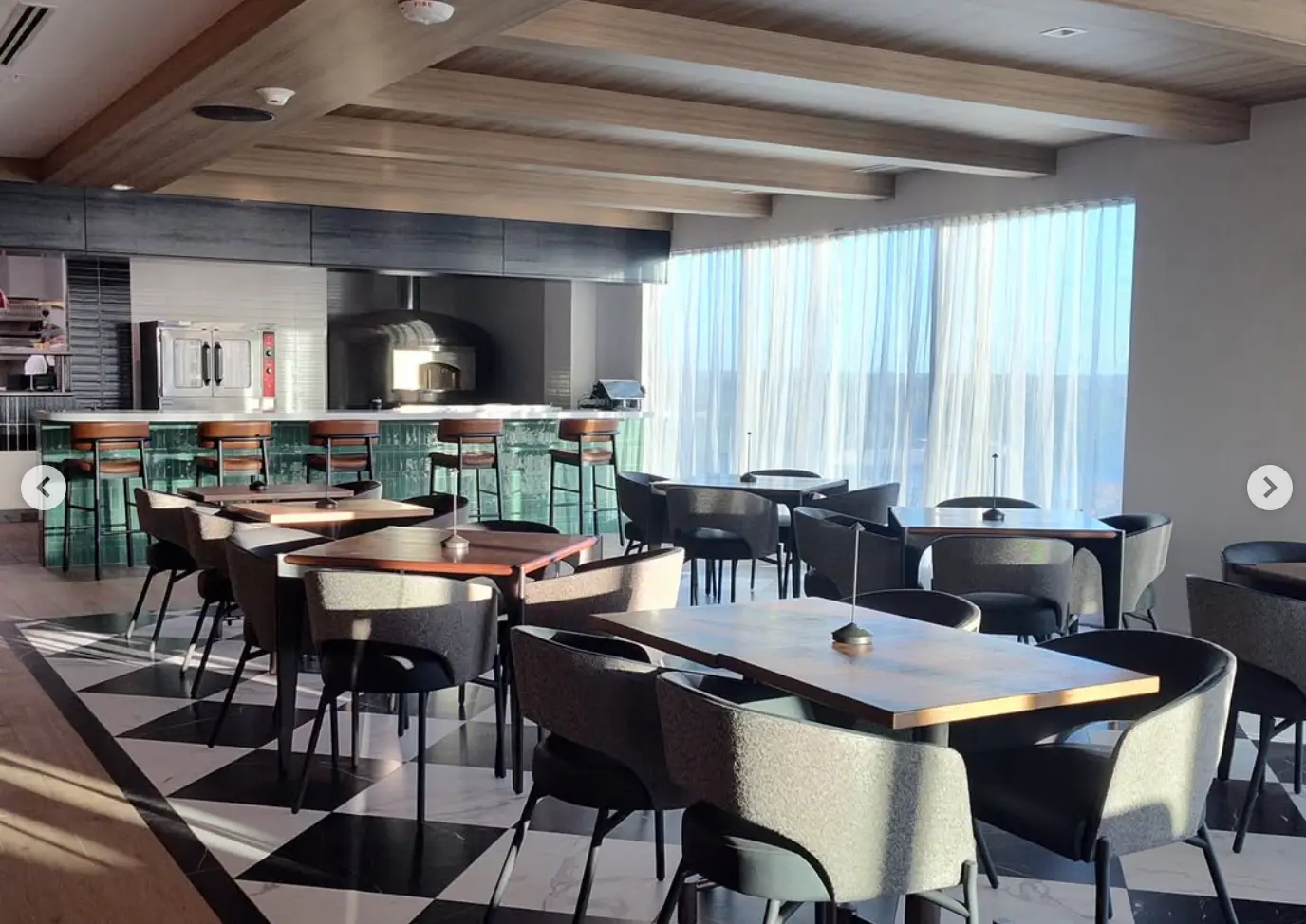
For commercial rooftops and hospitality venues, the priorities expand. Operators need production capacity, workflow, durability, access for staff, and a guest-facing presentation that reinforces the brand. An oven visible from the bar or dining terrace can create theater, but it must also support practical service during a busy evening. This is where authentic heat retention becomes a business advantage, allowing consistent baking performance during sustained use.
Size the Oven for How You Entertain
More cooking floor is not automatically better. A large oven makes sense for frequent large gatherings, active hospitality service, or a property designed around outdoor events. It also demands more space, more structural support, and a more deliberate layout. A smaller oven may be the smarter choice for an intimate penthouse terrace where visual impact and exceptional performance matter more than high-volume production.
Consider the actual rhythm of use. Will the owner host family pizza nights for eight, large celebrations several times a year, or catered events with professional staff? Will the oven be used primarily for Neapolitan-style pizza, or also for roasting, baking, seafood, vegetables, and long-cooked dishes? The answer determines the proper hearth size, fuel strategy, countertop arrangement, and storage plan.
Forno Nardona approaches these decisions as part of a complete outdoor living design, pairing handcrafted firebrick ovens with the architectural details that make an installation feel considered from every angle. The final result should be more than a place to bake pizza. It should be a lasting expression of how the property entertains.
Build for the Evenings You Want to Create
A rooftop kitchen earns its place when it changes how a home or venue is used. The oven should invite guests to stay longer, draw people toward the fire, and give the host an experience worth sharing. That only happens when the unseen work is handled with the same care as the tile, flame, and finished façade.
Choose the site thoughtfully, verify the structure, resolve access, and design for wind and ventilation before selecting finishes. Then the first fire will feel less like the completion of a construction project and more like the beginning of a rooftop tradition.
No Comments