

29 Oct Live Fire Menus for Elevated Outdoor Dining
A memorable dinner party does not begin when the first plate reaches the table. It begins when guests see the flame, smell seasoned wood, and watch a host work the hearth with calm precision. The best live fire menus turn that anticipation into an entire evening of cooking, conversation, and food with character that a conventional kitchen cannot replicate.
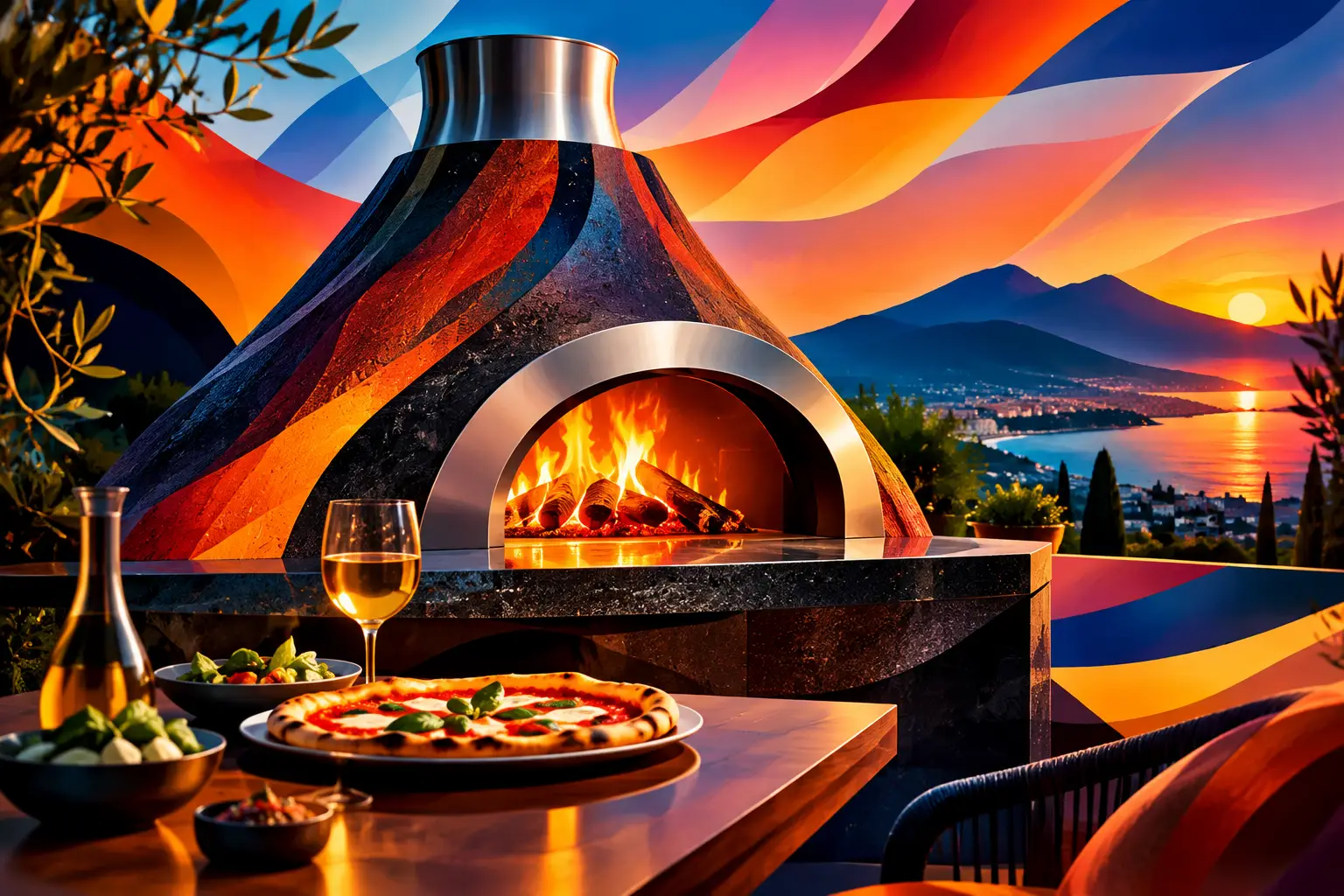
For a luxury outdoor kitchen, this is the difference between adding another appliance and creating a destination. A real wood-fired oven becomes the architectural and culinary center of the space. Its heat invites guests closer, while its firebrick chamber gives a skilled cook the range to move from blistered pizzas to roasted seafood, vegetables, breads, and desserts.
Live Fire Menus Are Built Around Heat, Not Courses
A live-fire meal should not be planned like a standard indoor dinner, where every course is cooked at one fixed temperature. A wood-fired oven changes throughout the service. It starts with intense, pizza-ready heat, settles into a powerful roasting environment, and then holds residual warmth long after the visible flame has calmed.
That changing heat is an advantage when the menu respects it. Instead of forcing every dish into the same moment, build the meal around the oven’s natural temperature curve. Early courses can capitalize on the highest heat. Main dishes benefit from the steadier radiant heat that follows. Later, the retained warmth can finish fruit, bake bread, or hold a cast-iron dessert.
This approach also makes entertaining more relaxed. The host is not trapped behind a closed kitchen door trying to synchronize six separate burners. Cooking happens in view, and the fire provides its own rhythm.
Start with a purpose for the menu
Before choosing recipes, decide what the fire should communicate. A casual pizza night calls for fast pacing, shareable toppings, and enough dough prepared in advance to keep the oven active. A more formal outdoor dinner may use pizza as an opening act, followed by roasted fish or a centerpiece cut of meat served family-style.
The menu should also reflect the number of guests and the cook’s experience. A high-volume service for twelve people needs fewer last-minute variables than an intimate dinner for four. The most polished live-fire menus often look simple on paper because the preparation has been considered carefully.
Begin at High Heat With Food Guests Can Share
When the hearth is at its hottest, use it for dishes that cook quickly and reward a crisp, lightly charred finish. Neapolitan-style pizza is the obvious choice, but it should not be the only one. Flatbreads with seasonal vegetables, blistered shishito peppers, baked oysters, charred shrimp, and cast-iron appetizers all make excellent opening courses.
For pizza, restraint matters. A properly built pie needs a well-fermented dough, balanced sauce, and toppings applied with a light hand. Too many wet ingredients or excessive cheese can overwhelm the crust and make fast cooking difficult. The goal is an airy rim, a tender center, and the smoky edge that only direct flame and radiant brick heat can deliver.
This is also where a true masonry oven proves its value. Real firebrick stores and releases heat evenly, helping the floor recover between pizzas and producing the crisp base that guests notice immediately. Thin metal chambers may offer flame, but they do not create the same thermal mass, stability, or baking environment.
A practical hosting detail: serve the first pizzas and hot appetizers as they leave the oven rather than waiting to plate everything at once. Live-fire dining is strongest when it feels generous and continuous, not staged.
Shift the Oven for Roasted Main Courses
Once the first rush of pizza cooking is complete, let the fire settle and manage the coals for a more moderate roasting environment. This is the moment for dishes that benefit from radiant heat, gentle smoke, and the steady warmth of the oven dome.
Whole branzino with citrus and herbs, bone-in chicken with garlic and preserved lemon, cedar-plank salmon, or a skillet of wild mushrooms can all develop far more depth in a wood-fired oven than on an indoor range. For a grander presentation, consider a porchetta-style pork roast, a dry-aged rib roast, or lamb shoulder cooked low enough to become tender while retaining a crust built by the hearth.
There is a trade-off here. Larger proteins require patience, temperature awareness, and a plan for resting. They are ideal for an evening with time to linger, but they are not always the right choice for a fast, pizza-forward gathering. A premium outdoor kitchen should support both styles of entertaining, from spontaneous weeknight cooking to a deliberately paced long-table dinner.
Use oven-safe pans strategically. A shallow roasting pan captures juices for a natural sauce, while a covered Dutch oven can protect a braise or beans during the lower-temperature phase. Direct hearth cooking offers drama, but cookware gives the menu more control.
Make vegetables a central part of the fire
Vegetables are not a side note on a well-designed live-fire menu. High heat brings out sweetness and texture in ways that boiling or steaming never will. Roast carrots with chile and honey, char broccolini until the tips are crisp, bake halved squash with brown butter and sage, or slide a tray of tomatoes into the oven until they collapse into their own juices.
The strongest menus balance rich proteins and dough with bright, herbaceous elements. A cool salad of bitter greens, fennel, and citrus is especially welcome beside wood-fired meat. Fresh sauces such as salsa verde, herb oil, or a restrained yogurt sauce can add contrast without hiding the flavor of the fire.
Finish With the Heat You Still Have
One of the pleasures of a substantial brick oven is that the evening does not end when the main course leaves the hearth. The retained heat is an asset, not waste. As the oven cools, it becomes ideal for breads, gratins, baked fruit, and desserts that can be prepared ahead and finished with little effort.
A cast-iron peach crisp, roasted figs with mascarpone, olive oil cake, or dark chocolate skillet cookie feels appropriately indulgent without demanding another cooking station. For a more savory finish, use the remaining heat to bake focaccia for the next day or slow-roast garlic and tomatoes for sauces.
This final phase reveals why oven construction matters. Handcrafted firebrick, proper insulation, and a thoughtfully engineered dome do more than produce high temperatures. They preserve heat for the full arc of a meal, allowing one fire to support several distinct styles of cooking.
What Live Fire Menus Require From an Oven
Not every outdoor oven is designed for serious menu flexibility. If the ambition is to host beyond occasional pizza nights, look closely at chamber size, thermal mass, insulation, access, and installation planning. An oven that is too small can limit pan placement and make it difficult to manage different heat zones. One that loses heat quickly will shorten the cooking window and reduce the range of dishes it can handle.
A custom-built oven can be proportioned for the way the space will actually be used. A homeowner who entertains large groups may prioritize a larger hearth and landing area. A coastal residence may need materials and finishes selected for its environment. A restaurant, hospitality venue, or catering operation may need a configuration that supports sustained service and a visible culinary presentation.
Fuel choice deserves the same consideration. Wood provides the aroma, visual theater, and traditional performance that define authentic live-fire cooking. A hybrid wood-and-gas configuration can be a sensible option when convenience, start-up speed, or operational consistency matters. The right choice depends on the menu, the setting, and how often the oven will be used.
Forno Nardona designs real masonry ovens and outdoor kitchens for owners who expect performance to match the visual statement. The goal is not merely to install an oven. It is to create a lasting place where exceptional food and exceptional gatherings happen naturally.
Plan the Service Before Guests Arrive
The effortless feeling of live-fire dining comes from preparation. Make dough, sauces, marinades, and dessert components before lighting the oven. Keep tools, wood, serving boards, and oven-safe cookware within reach. Most importantly, choose a menu that lets the cook spend time with guests instead of constantly recovering from the next task.
A well-built fire rewards confidence, but it also rewards restraint. Cook fewer things exceptionally well. Let the flame be visible, let the ingredients speak clearly, and give each course a reason to meet the brick. When the last dessert comes from the fading heat of the oven, guests will remember more than what they ate. They will remember where the evening happened.
No Comments