

14 Jul Commercial Brick Oven Guide for Serious Kitchens
A commercial oven does more than cook pizza. It becomes part of the guest experience, the line’s rhythm, and the visual identity of the operation. This commercial brick oven guide is designed for operators who need more than a hot cooking surface: they need dependable production, authentic live-fire character, and a centerpiece built to represent the quality of the food coming out of it.
A true brick oven is a long-term business decision. The right model can support a focused Neapolitan pizza program, a broad menu of roasted meats and vegetables, or a hospitality concept built around the theater of real flame. The wrong one can create bottlenecks, complicate ventilation, and leave valuable capacity sitting unused. Selection begins with how the kitchen will work at peak service, not simply how the oven looks on opening day.
Commercial Brick Oven Guide: Start With Service Volume
The most common sizing mistake is choosing an oven based on dining room appearance rather than demand. A compact chamber may be ideal for a bar program, catered events, or a food truck with a concise menu. A high-volume restaurant, resort, or multi-unit operation needs enough deck space to maintain ticket times without crowding the oven floor.
Think about the busiest 60 to 90 minutes of a typical service. How many pizzas, flatbreads, or baked dishes must leave the kitchen during that window? How many cooks will work the oven? Is the oven dedicated to pizza, or will it also handle roasting, baking, and finishing? These answers determine the usable cooking-floor diameter and mouth size more accurately than seat count alone.
A larger oven provides more than higher output. It gives the operator room to create heat zones. The fire can stay active on one side while pizzas cook across the center and finished items rest near the entry. That working space matters when multiple cooks are turning pies, managing firewood, and moving orders quickly. Still, bigger is not automatically better. An oversized chamber takes more fuel, demands more floor space, and may be inefficient for a concept with modest, intermittent volume.
Match the Oven to the Menu
Pizza-focused concepts generally benefit from a chamber designed for sustained high heat and rapid recovery. A properly fired brick oven can produce the blistered crust, lifted cornicione, and delicate char associated with Napoli-inspired pizza. The floor must retain enough energy to cook successive pies without producing pale bottoms after the rush begins.
For restaurants with broader menus, thermal mass becomes even more valuable. After pizza service, retained heat can support roasted seafood, vegetables, cast-iron dishes, bread, and slow-cooked preparations. This flexibility can make an authentic masonry oven a productive part of the menu from lunch through late evening.
The key is to avoid treating the oven as a decorative add-on. Build menu items around its strengths, train the team to manage its heat, and position it where guests can see its contribution to the restaurant’s craft.
Real Firebrick Construction Changes Performance
Not all commercial ovens are built around the same principles. A true masonry oven relies on real firebrick, substantial insulation, and a carefully formed dome to store and circulate heat. This structure absorbs energy during firing, then releases it steadily into the cooking floor and chamber.
That heat retention is what separates a serious brick oven from a lightweight unit that simply gets hot. In a demanding service, stored heat helps the floor recover between pizzas and provides a more stable environment as the door opens, the fire shifts, and orders move through the station. It also supports cooking after the flame has been reduced, which is valuable for slower-roasted dishes and baking.
The dome shape matters as well. Heat rises, rolls across the curved interior, and returns toward the cooking floor. A well-built dome encourages even radiant heat while the live fire supplies the intense energy needed for fast pizza cooking. The result is not just speed. It is a distinct texture and flavor profile that guests recognize.
Insulation deserves equal attention. High-quality insulation helps keep heat in the chamber rather than allowing it to migrate into the surrounding structure. For commercial operators, that can mean more predictable performance, reduced firing demands, and a more manageable working environment. The oven exterior should remain an architectural finish, not a signal that the internal structure has been compromised.
Construction Should Suit the Installation
Indoor and outdoor installations each bring specific requirements. An indoor restaurant installation must be planned alongside ventilation, hood or chimney design, fire protection, clearance requirements, structural support, and local permitting. These details should be addressed early with qualified professionals, not after the kitchen layout is finalized.
Outdoor commercial installations can offer greater visual impact and make live-fire cooking part of the venue’s atmosphere. They still require a proper foundation, weather-conscious materials, safe chimney routing, and a practical plan for wood storage and staff access. In Florida and other coastal markets, exterior finishes and surrounding kitchen materials should be selected with humidity, rain, salt exposure, and long-term maintenance in mind.
A custom-built oven allows the face, tile color, trim, and surrounding kitchen design to complement the property rather than look inserted into it. For a hospitality venue, that architectural continuity can be as valuable as the cooking performance. Guests remember the oven that anchors the patio, open kitchen, or event space.
Wood-Fired or Hybrid Fuel?
Wood remains the traditional choice for operators who want the aroma, visual energy, and hands-on control of live fire. It creates a compelling open-kitchen moment and gives skilled pizzaiolos direct influence over flame placement and cooking conditions. It also requires disciplined fuel management, ash removal, staff training, and a reliable supply of properly seasoned hardwood.
A hybrid wood-and-gas configuration can be a strong fit when consistency and operational flexibility are priorities. Gas can support startup, maintain a baseline temperature, or help the kitchen recover during demanding service, while wood contributes the live flame and sensory appeal many guests expect. The best choice depends on the menu, local code requirements, staffing model, and the degree of traditional fire management the operation is prepared to embrace.
Neither approach replaces good technique. A wood-fired oven is not a set-it-and-forget-it appliance, and a hybrid system is not a substitute for understanding floor temperature, dome heat, and fire position. Invest in training from the beginning. The quality of the oven matters, but the person tending the fire determines whether its potential reaches the plate.
Plan the Workstation Around the Oven
The oven should sit within a complete production station. Dough, toppings, launching tools, turning peels, finished-pizza landing space, refrigeration, and handwashing access all need to work together. Every unnecessary step adds time during a rush, and every tight corner raises the chance of mistakes around a high-temperature cooking environment.
Give cooks enough space in front of the oven to launch and turn pizzas safely. Place the make line close enough to protect ticket times but not so close that staff compete for the same working zone. Wood storage should be accessible without crossing the primary service path. These are operational details, yet they influence labor efficiency as directly as oven capacity.
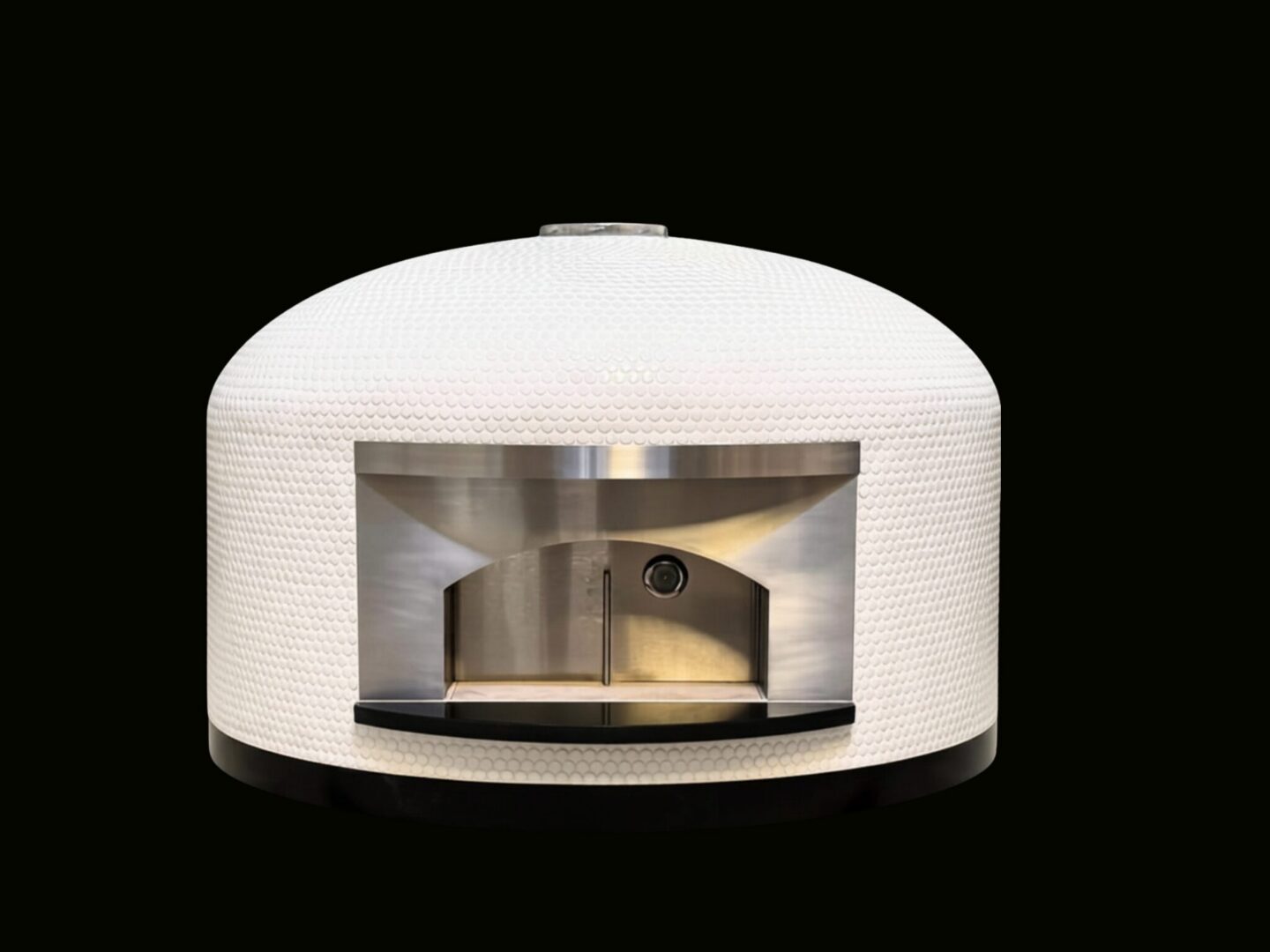
Forno Nardona approaches commercial ovens as permanent culinary installations, with real firebrick construction and custom architectural finishes that can be tailored to the restaurant, resort, food truck, or outdoor venue. The goal is not to place an oven in a space. It is to create a working focal point with the performance and presence to earn its place there.
Choose for the Next Five Years, Not Opening Week
A commercial oven should support the business you intend to become. Consider future menu additions, private events, seasonal patio service, catering, and higher-volume periods before settling on chamber size and configuration. It is usually easier to build capacity into the plan than to correct a constrained production line after demand grows.
At the same time, stay honest about the operation. A thoughtfully sized, expertly built oven with a clear menu purpose will outperform an oversized showpiece that the team cannot fire or use efficiently. The strongest choice is the one that brings craftsmanship, heat retention, installation discipline, and service needs into the same decision.
When the oven is chosen with that level of care, it does more than produce exceptional pizza. It gives the kitchen a visible standard of quality – one guests can see, smell, and anticipate before the first plate reaches the table.
Sorry, the comment form is closed at this time.